
Event coordination, autonomous flows, real-time response, action orchestration, and distributed intelligence.
Functional purpose
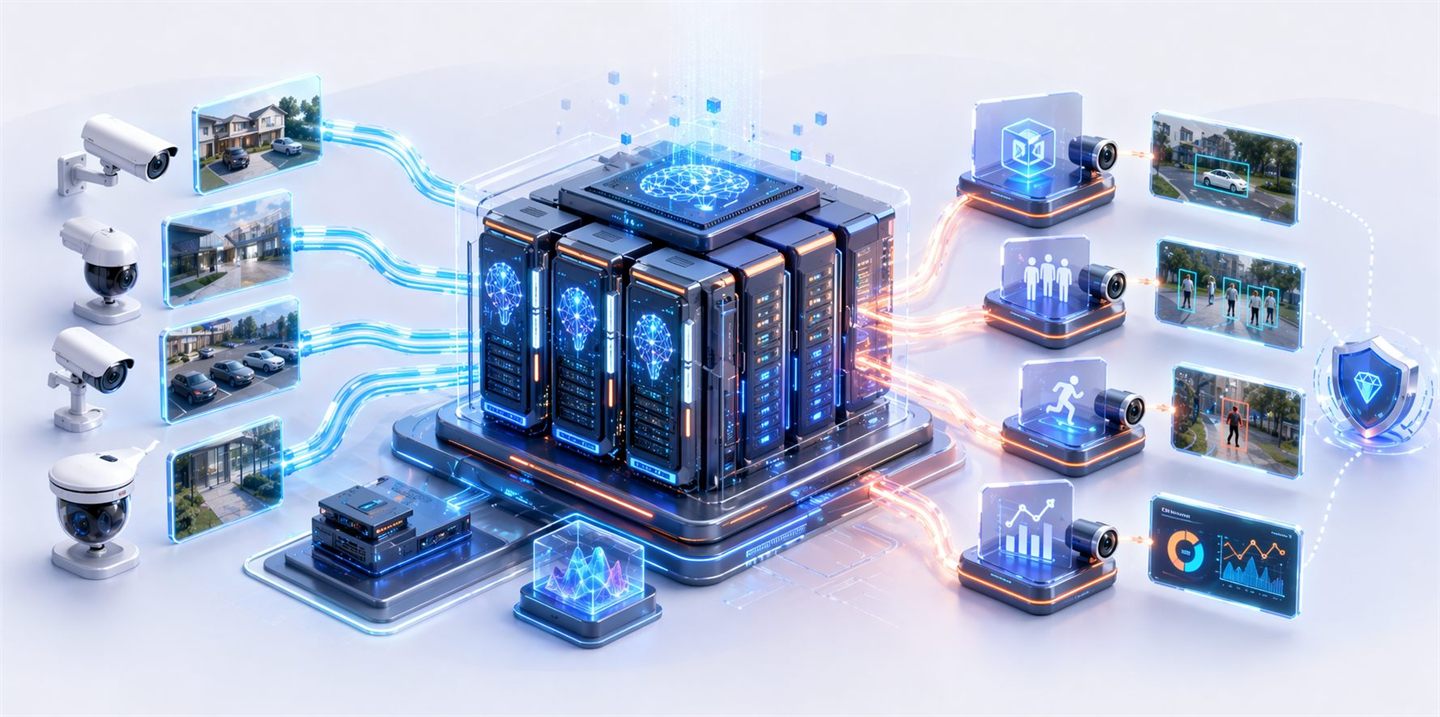
Intelligent Operations describes the capacity of Horus to transform events, devices, and users into coordinated action flows. This domain integrates automation, context, real-time response, and distributed intelligence to improve daily operation.
Operating value
Operation no longer depends exclusively on manual review and starts relying on flows capable of detecting, coordinating, and responding. Horus can combine information from cameras, sensors, users, and rules to assist decisions or execute defined actions.
Included capabilities
| Capability | Explanation |
|---|---|
| Smart event coordination | Relates events from different sources to prioritize responses and reduce fragmented operation. |
| Autonomous operational flows | Allows certain processes to run automatically according to rules, events, and predefined conditions. |
| Real-time response management | Organizes immediate actions for events or state changes that require quick attention. |
| Intelligent action orchestration | Decides or coordinates which actions to execute by combining context, rules, devices, and involved users. |
| Human-device collaboration | Integrates human decisions with signals and actions from connected devices to improve operations. |
| Operational automation | Reduces repetitive tasks and standardizes responses through configurable rules and scenarios. |
| Distributed intelligence | Uses information from multiple sites, devices, or processing layers to act with context. |
| Adaptive workflows | Adjusts operating flows according to changing conditions, detected events, or environment states. |